
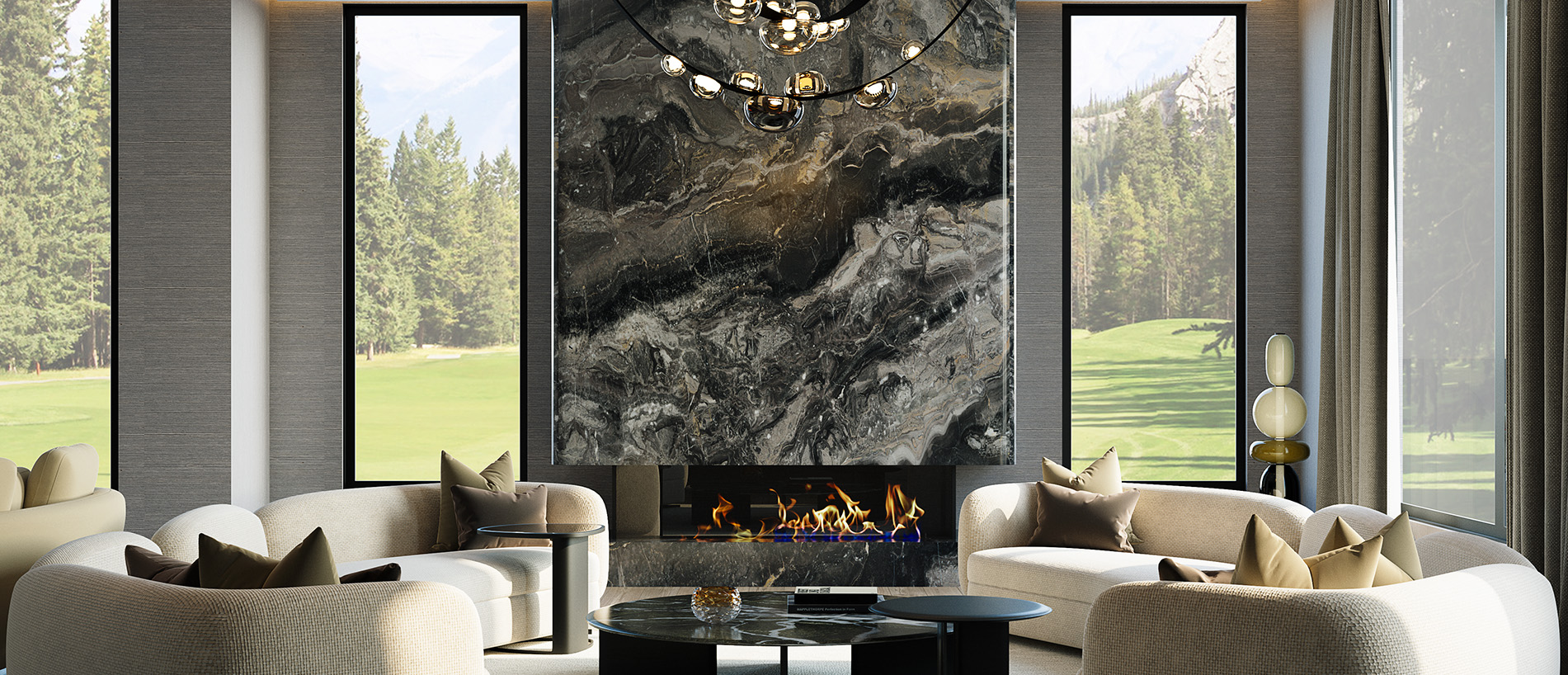
Ask what I correct first in a home that feels off, and the answer is rarely the furniture. It is the light.
Lighting is the jewelry of the house. It is the last layer of a project and the one that decides how every earlier decision reads. Plaster, marble, walnut: each is chosen for how it holds light. Put them under a single ceiling fixture and they go flat. Layer the light and the same room changes character from morning to evening without anyone touching more than a dimmer.
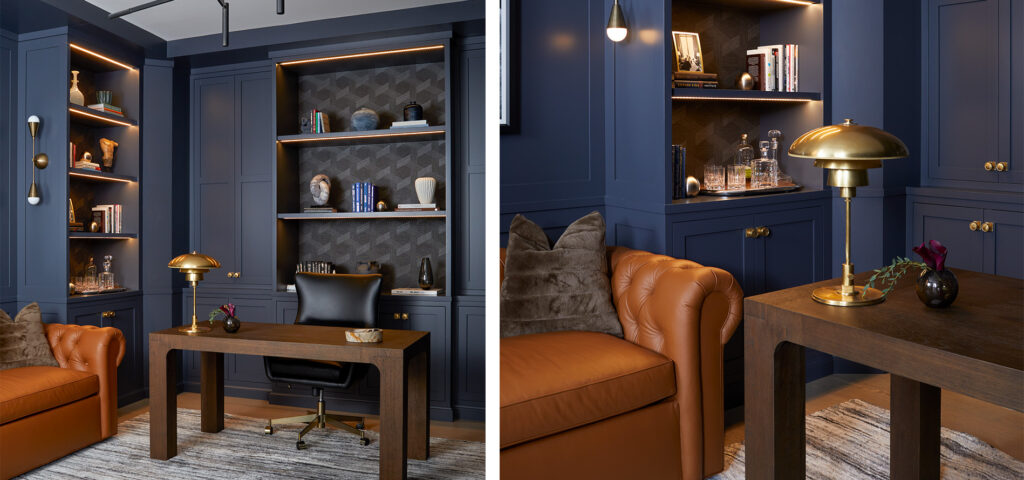
Every room gets three layers. Ambient light is the base, the general glow that lets you move through the room. Task light is for the work: reading, cooking, a mirror you can actually see yourself in. Accent light is the editorial layer, the one most homes skip. It grazes a textured wall, washes a built-in, picks out the one object that deserves it. Ambient makes a room usable. Accent makes it worth photographing.
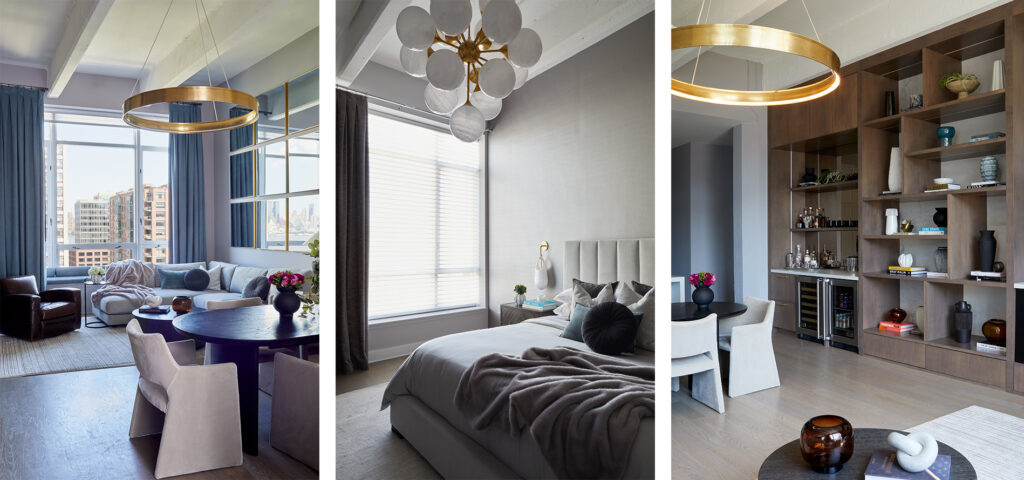
In a recent Hoboken loft, two apartments combined into one four-bedroom home, lighting was the real project. We layered it to carry the loft from bright mornings to low, warm evenings without a single harsh corner. Guests never say the lighting is good. They say the home feels calm. Same thing.
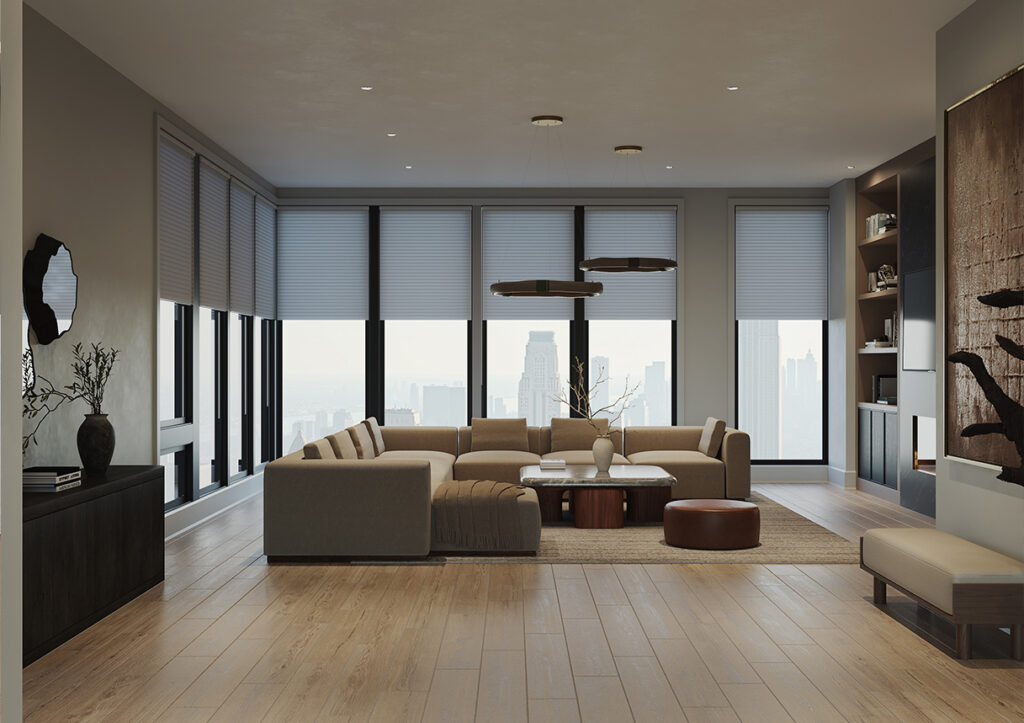
A few rules I hold to on every project. Warm bulbs, 2700 Kelvin, anywhere people sit; cooler light belongs in a workshop. A dimmer on everything, no exceptions, because a room has more than one hour of the day. At least three sources per room, at three heights, so the ceiling is never doing all the work. And shadows stay. A room lit evenly everywhere is a showroom. Shadow is what makes the light read as light.
If your home feels less finished than it should, look up before you buy anything new. The rooms are usually fine. The light is not.