
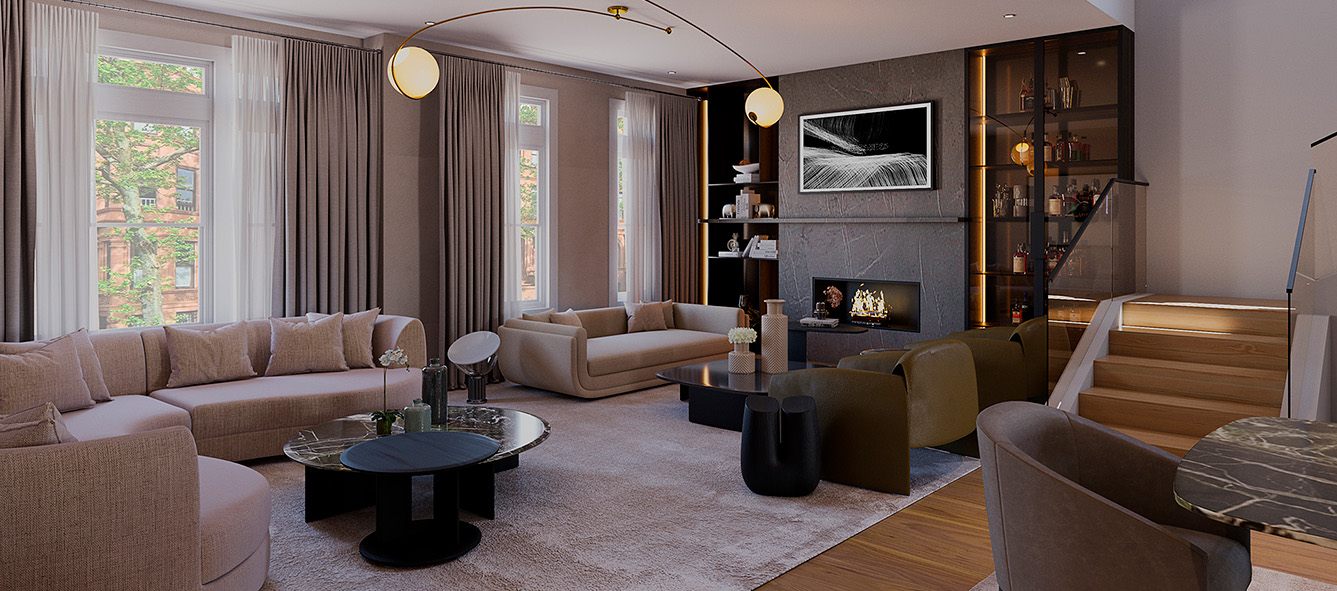
New Jersey does not have one housing stock, so it should not have one answer to any trend. A brownstone in Hudson County, a center-hall colonial in the suburbs, and a glass tower on the waterfront metabolize the same idea in three different ways. That is the lens this page takes.
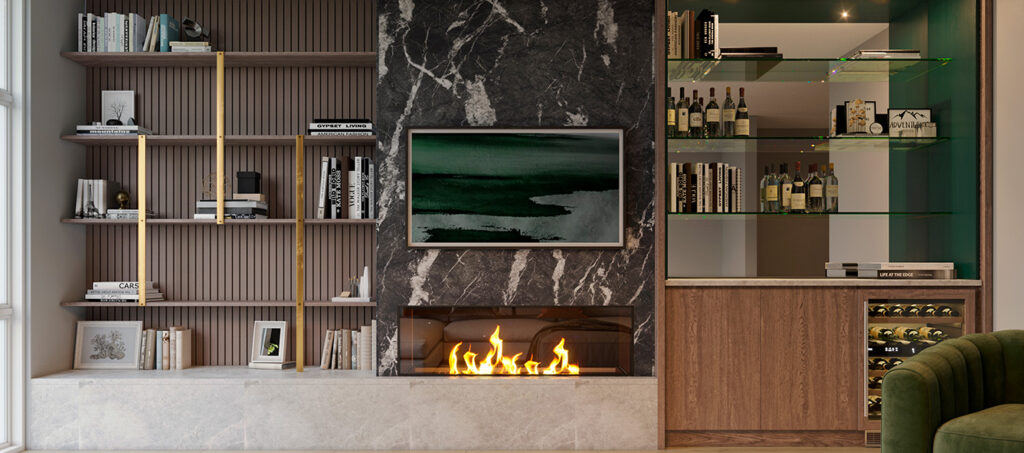
In the brownstones and row houses, the enduring move is honesty about age. Original moldings restored rather than replaced, modern insertions that admit they are modern. The current appetite for plaster, unlacquered brass, and antique pieces suits these homes because it was always theirs.
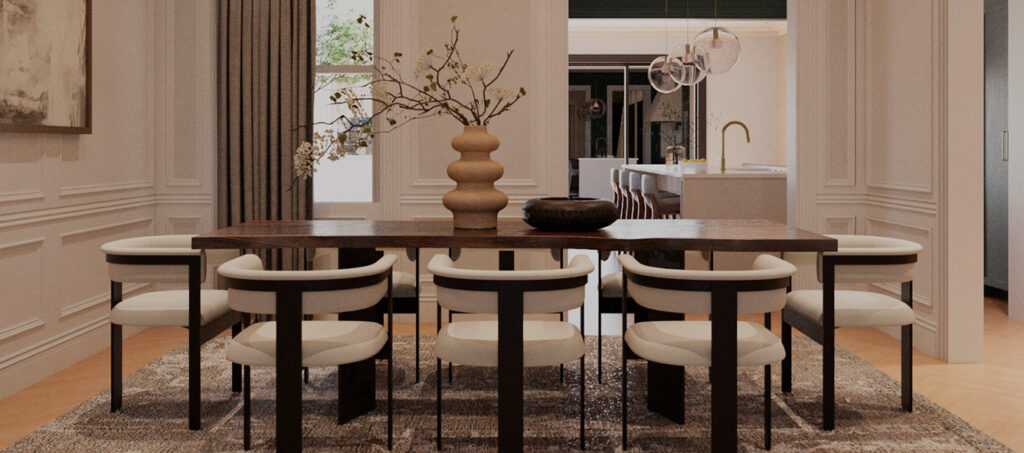
In the suburban colonials, the shift that will last is the death of the formal room nobody enters. Dining rooms opening to the kitchen and used every night, living rooms becoming actual living, the ground floor moving as one room instead of four. Square footage is too valuable to keep a museum wing.
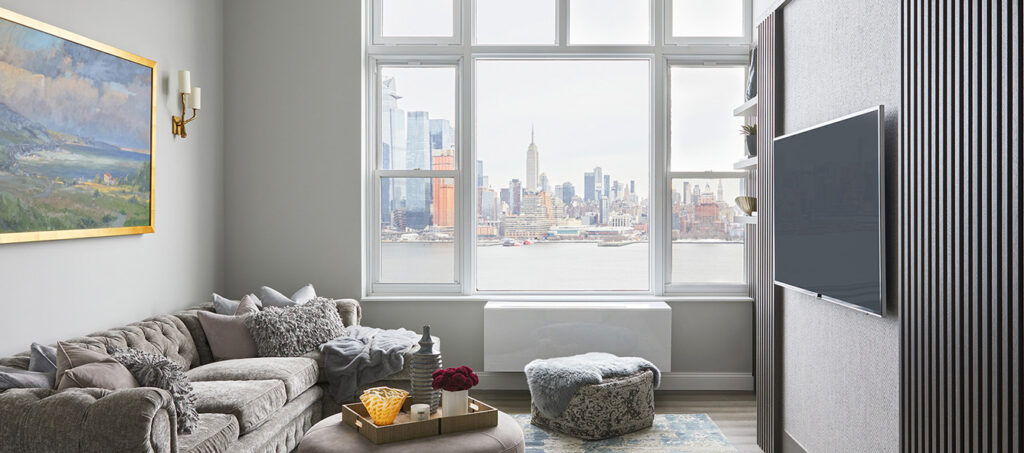
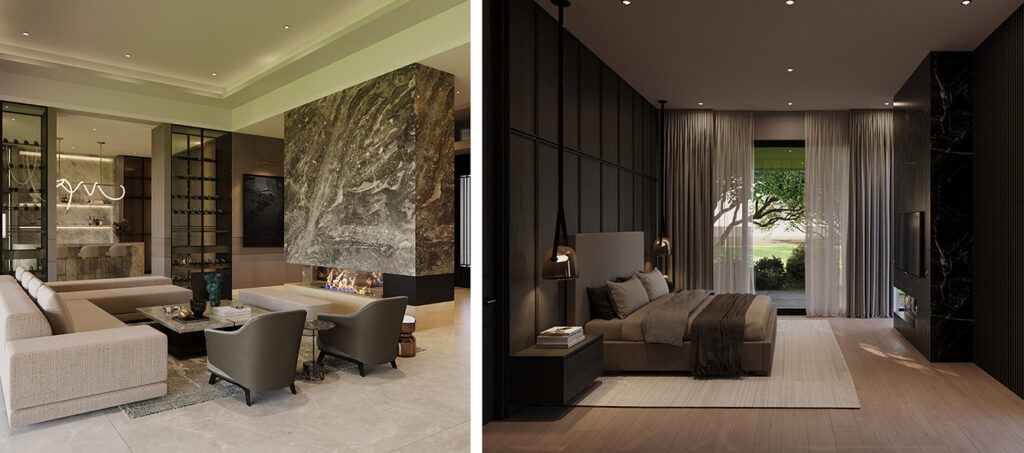
On the waterfront, restraint is the endurance play. Floor-to-ceiling views are the design; the interior’s job is to hold quality at close range, in the stone, the millwork, the hardware, and otherwise stay out of the window’s way.
Everywhere in the state, the common thread is the same one I hold to in my own projects: choose from the building, the light, and the way the family actually lives. Trends are useful as a vocabulary. The homes that endure treat them as suggestions, not instructions.